FIFA World Cup 2026 Behavioral Risk Analysis
Prepared by Alpha Recon Technologies
FIFA World Cup 2026: Why U.S.-Based EP Programs Are Underprepared for an Imported Football Culture
BLUF: The 2026 World Cup will introduce a behavioral risk environment that does not exist in U.S. baseline public safety data. Global football culture, with its organized supporter groups, emotionally charged match dynamics, and distinct norms around fan conduct, will produce episodic but predictable spikes in disorder, aggression, and crowd volatility across host cities. The most common planning error will be treating the tournament as a domestic event held at familiar venues. It is not. EP teams should model risk at the fixture level, avoid co-location with high-density supporter zones, and treat match-day environments as transient high-risk ecosystems rather than extensions of normal U.S. operating conditions. Confidence: High on behavioral patterns. Moderate on specific actor convergence and escalation triggers.
The Core Planning Error
Most U.S.-based executive protection programs have never operated inside an imported football culture at scale. The instinct will be to apply familiar frameworks, NFL game-day logic, Super Bowl crowd management, Olympic-style perimeter planning, to an environment that behaves differently in nearly every meaningful way.
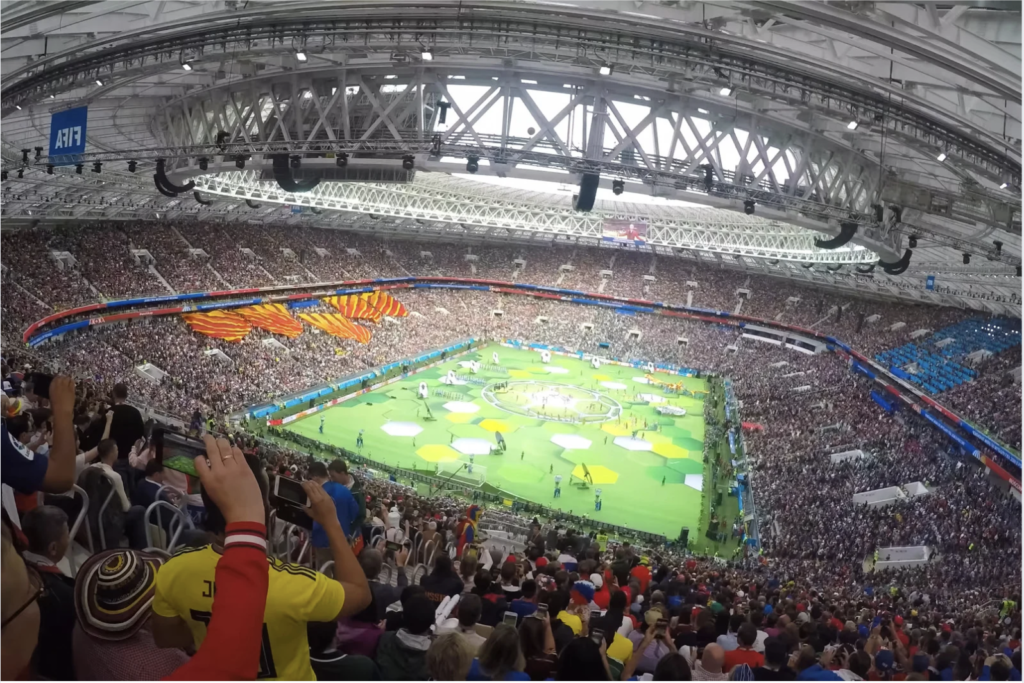
The World Cup does not simply increase crowd size. It changes crowd behavior. Chanting, territoriality over bars and public spaces, alcohol consumption patterns stretched across full days, and rapid emotional swings tied to match events produce a more kinetic and less predictable environment than any domestic sporting event. Baseline familiarity with U.S. event security is insufficient. The operational environment becomes behaviorally foreign, even if geographically domestic.
Supporter Typologies That Matter for EP Planning
Not all football fans present risk. Four subsets require explicit consideration, and conflating them leads to poor planning.
Organized hooligan elements. Reduced from their 1980s to 2000s peak but still active across multiple European and Latin American supporter bases. Typically coordinated, travel intentionally, and engage in pre-arranged violence away from stadiums. Rarely random. When it occurs, it is rapid, targeted, and difficult to intercept without prior intelligence. Most incidents happen in peripheral zones, secondary streets, transport interchanges, and hospitality clusters, not at venues.
Ultras groups. Distinct from hooligans. Highly organized supporter collectives focused on atmosphere, identity, and visibility. Not inherently violent, but become flashpoints when interacting with rival groups, law enforcement, or politically sensitive fixtures. Pyrotechnics, mass movement, and coordinated chanting can create sudden crowd surges and localized disorder.
Aggressive casual fans. The most common risk vector. Individuals or small groups whose behavior escalates due to alcohol, match outcomes, or perceived provocations. Unpredictable and more likely to create opportunistic violence, harassment, or crowd friction in transit hubs, hospitality venues, and fan zones.
Diaspora-linked supporter mobilization. Matches involving politically sensitive nations draw not only sports fans but politically motivated attendees. These environments can shift rapidly from celebratory to confrontational, particularly in mixed-supporter spaces.
EP teams are not managing a single threat profile. They are operating within overlapping behavioral ecosystems that transition quickly from low-risk to volatile.

Emotional Volatility Is a Force Multiplier
Football culture is defined by emotional intensity. Match outcomes, refereeing decisions, and rival interactions trigger immediate behavioral shifts across large groups. These shifts are synchronized, producing crowd-level reactions rather than isolated incidents.
A permissive environment can degrade within minutes following a goal, a controversial decision, or a final result. This is particularly relevant during egress phases, where frustration, alcohol, and movementbottlenecks converge.
Night fixtures amplify the dynamic. Extended pre-match drinking windows, reduced visibility, and fatigue increase the probability of disorder. Urban entertainment districts and transport nodes become primary exposure points.
The operational implication is that the same location presents materially different risk
Mobility Is the Primary Risk Vector
Crowd dynamics during the World Cup are not confined to stadiums. Movement between hotels, fan zones, bars, and transport hubs creates continuous exposure throughout the day.
Key convergence points include transport hubs, particularly metro systems and rideshare pickup zones where opposing supporter groups intersect, hotel clusters near venues and city centers that become informal supporter gathering points, and entertainment districts where alcohol consumption and mixed supporter presence create sustained volatility.
Egress phases following matches represent the highest-risk window. Large volumes of emotionally charged individuals move simultaneously through constrained infrastructure, increasing the probability of crowd surges and altercations.
EP teams should treat mobility as a primary risk vector, not a logistical function.
Law Enforcement Posture Is Not a Stability Proxy
U.S. law enforcement agencies are highly capable but operate within a different cultural framework than many international supporters. Tactics common in Europe, such as segregation of supporter groups and pre-emptive movement controls, may be applied inconsistently or adapted to U.S. legal norms.
This produces friction. Supporters accustomed to certain policing styles may react unpredictably to U.S. approaches, particularly in crowd control scenarios or situations involving perceived overreach.
Law enforcement presence should not be equated with stability. In some scenarios, it coincides with heightened tension.
Fixture-Specific EP Planning Actions
Pre-deployment. Develop fixture-specific behavioral risk profiles focused on historical rivalries, supporter group characteristics, and political sensitivities. Select accommodations outside known supporter clusters. Avoid co-location with official team hotels or major fan zones. Establish local intelligence feeds capable of monitoring supporter movement and emerging tensions in real time.
Match days. Limit principal exposure to non-essential movement in the 3 to 4 hours before and after matches. Implement staggered movement plans that avoid peak ingress and egress windows. Maintain physical separation from high-density supporter environments, including fan zones and mixed-use entertainment districts.
Post-match. Anticipate delayed disorder extending several hours beyond the final whistle, particularly following high-stakes or controversial matches. Adjust routing and timing to avoid crowd convergence points during this period.
How Alpha Recon Technologies Approaches This
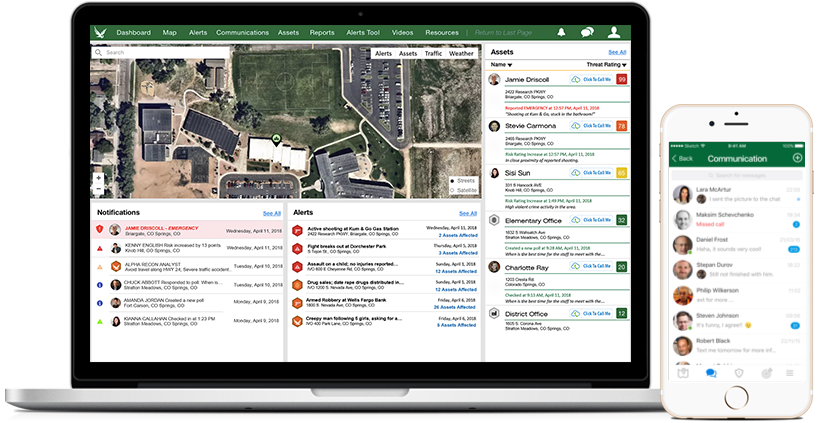
Our intelligence model is built for environments exactly like this one. We operate a taxonomy-driven monitoring framework that tracks supporter movement, fixture-specific tensions, and behavioral indicators across all host cities, producing structured intelligence products rather than aggregated news feeds.
For the 2026 tournament, we will deliver fixture-specific behavioral risk updates tied to the finalized schedule, with targeted assessments for clients operating in high-density or politically sensitive match environments. Our coverage is designed to integrate directly into EP planning cycles, not replace them.
Confidence and Intelligence Gaps
Confidence is High that global football culture will materially alter behavioral risk patterns across all host cities, particularly regarding crowd volatility and supporter dynamics.
Confidence is Moderate regarding the scale and coordination of organized hooligan activity, which will depend on fixture matchups, travel patterns, and law enforcement posture.
Priority intelligence gaps include fixture-specific supporter travel volumes, identification of high-risk match pairings, and real-time indicators of supporter group coordination. Continuous monitoring of these variables is required to maintain an accurate operational picture.
Engage Before the Schedule Locks In
EP firms planning client coverage for the 2026 tournament should begin fixture-level risk modeling now, before supporter travel patterns consolidate and accommodation inventory tightens.
Alpha Recon Technologies is offering a complimentary fixture risk brief for qualified executive protection firms preparing 2026 deployments. Contact us to schedule a 30-minute consultation on tournament planning and intelligence integration.